ArchiHUB isn’t just a document management system or a traditional CMS. We’re thinking far beyond that.
At its core, ArchiHUB is an ongoing exploration, part software platform and part artistic inquiry into the connections between human history and the natural world. It’s a work in progress, but one that we’re deeply committed to, constantly building, refining, and reimagining.
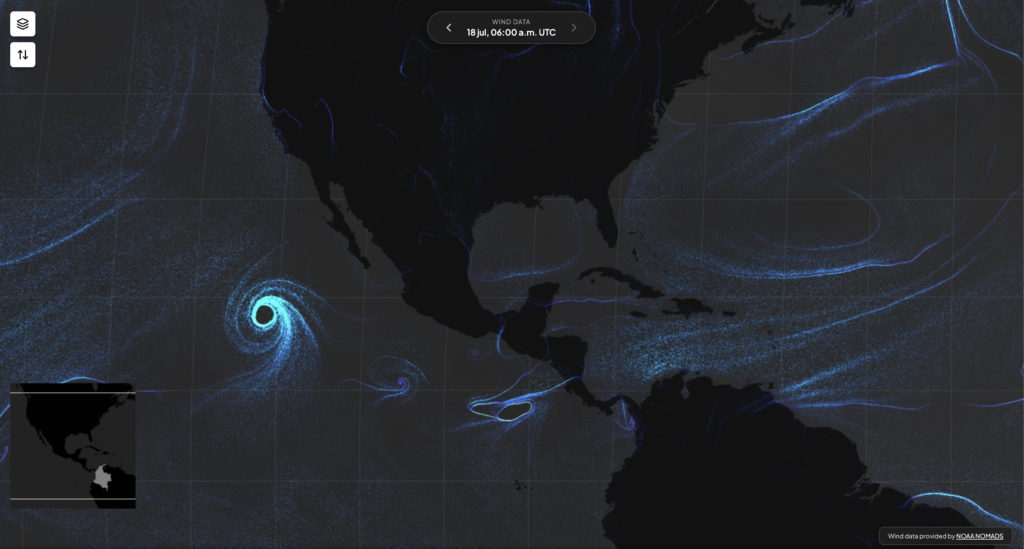
This vision has taken shape in NOTOS, the name of ArchiHUB’s implementation for nature. Inspired by the Greek god of the south wind, Notus, and by the tradition of naming the horses that drew Helios’ chariot across the sky. Like the winds themselves, NOTOS is intended to connect places, events, species, and environmental processes into a single living system.
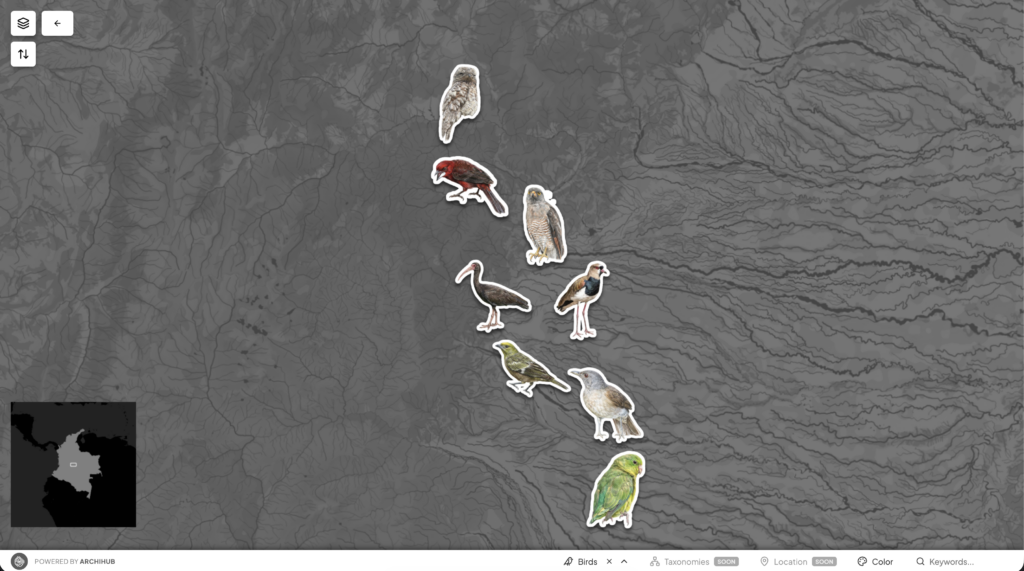
The idea is simple yet ambitious: what becomes possible when a platform is designed not only to store information, but to reveal relationships? By bringing together seemingly different sources such as traditional records, photographs, oral histories, weather data, environmental measurements, biodiversity observations, and sensor readings, we can begin to build a unified, living archive.
In this archive, memory is no longer limited to human activity alone. Historical events, landscapes, ecosystems, migrations, climate patterns, and environmental change become part of the same narrative, allowing us to explore how they influence and shape one another over time.
Ultimately, ArchiHUB (and through it, NOTOS) is about more than organizing files. It is an attempt to create new ways of understanding memory, preserving knowledge, and making sense of a constantly changing planet, where the stories of people and the stories of nature are understood as parts of the same history.
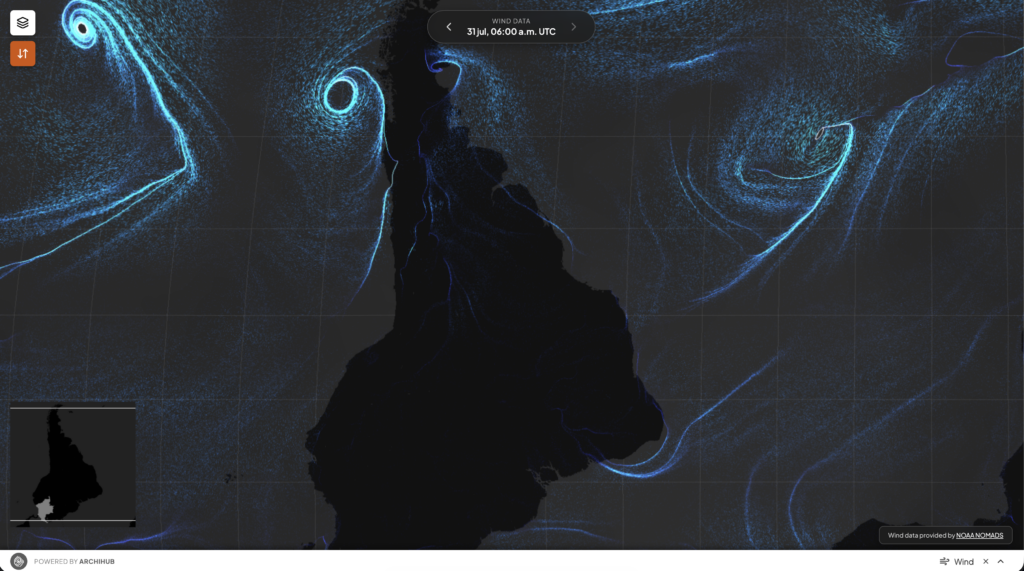
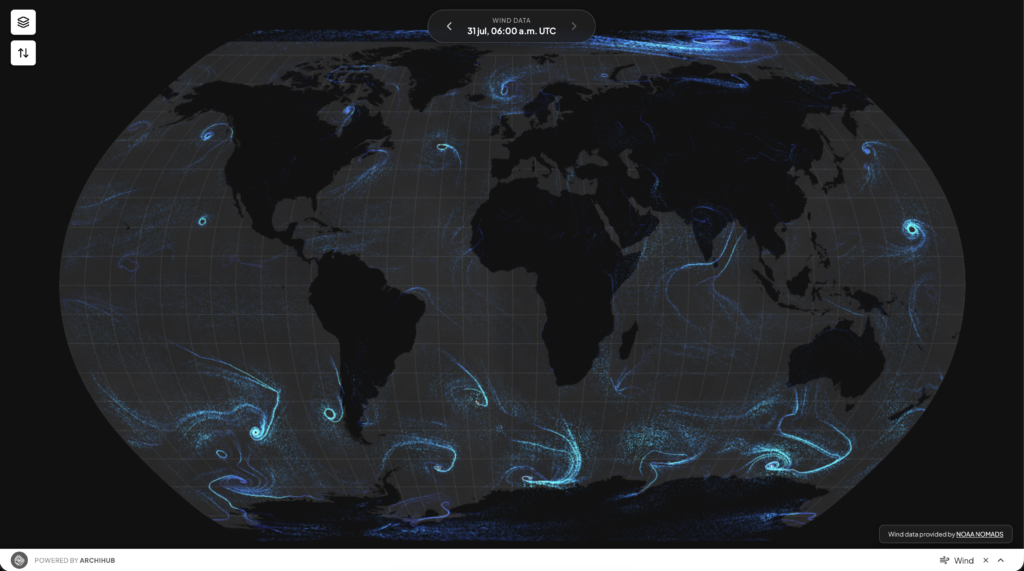
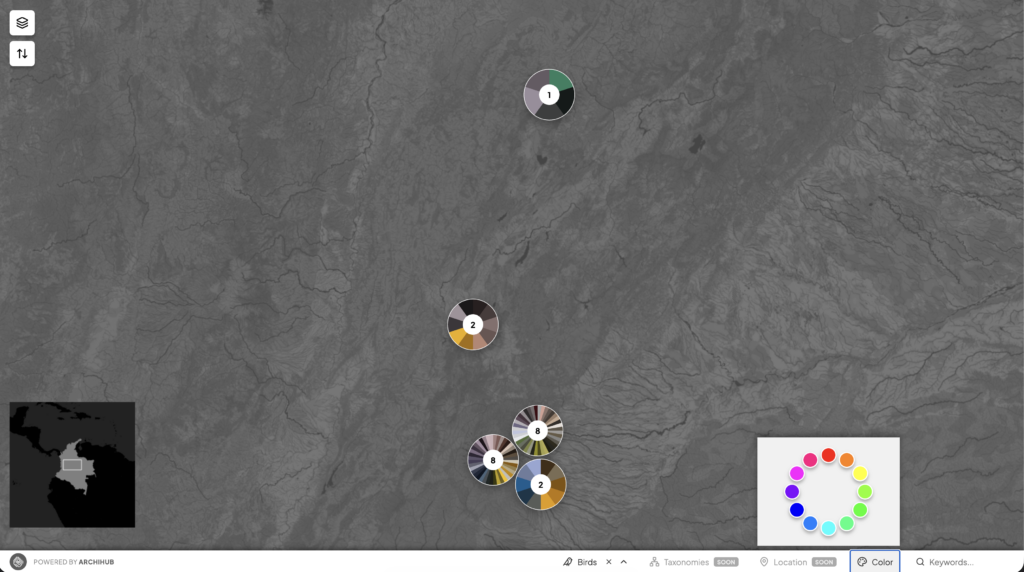
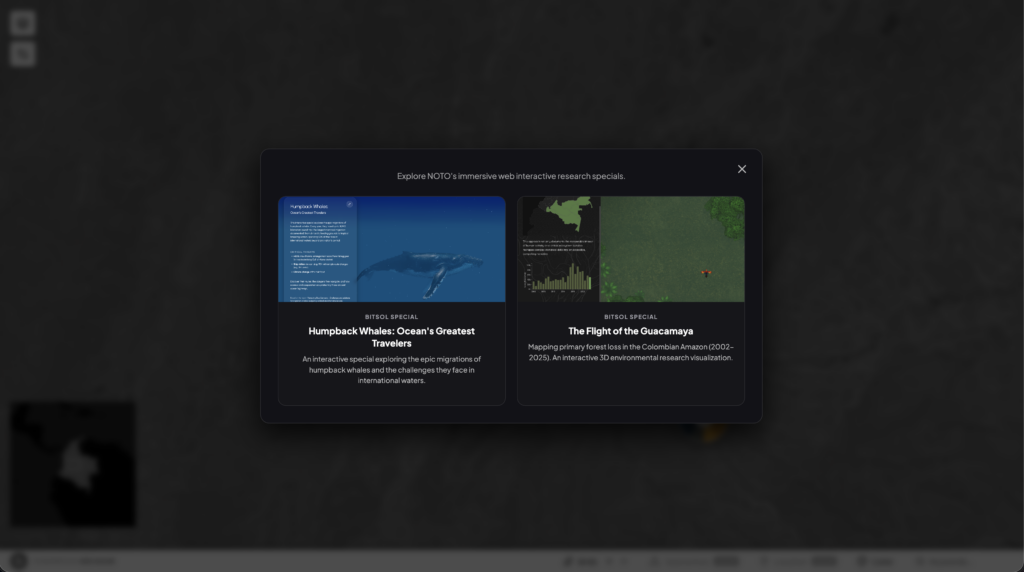
NOTOS also explores the world of hardware and environmental sensing, an area that has become a fundamental part of our research. Beyond software development, we design and experiment with custom weather stations, environmental sensors, and other devices capable of collecting real-time data from the natural world. This information enriches the archive, expanding the concept of memory to include natural processes and transforming NOTOS into a space where software, hardware, and the environment converge to create new ways of understanding the world.
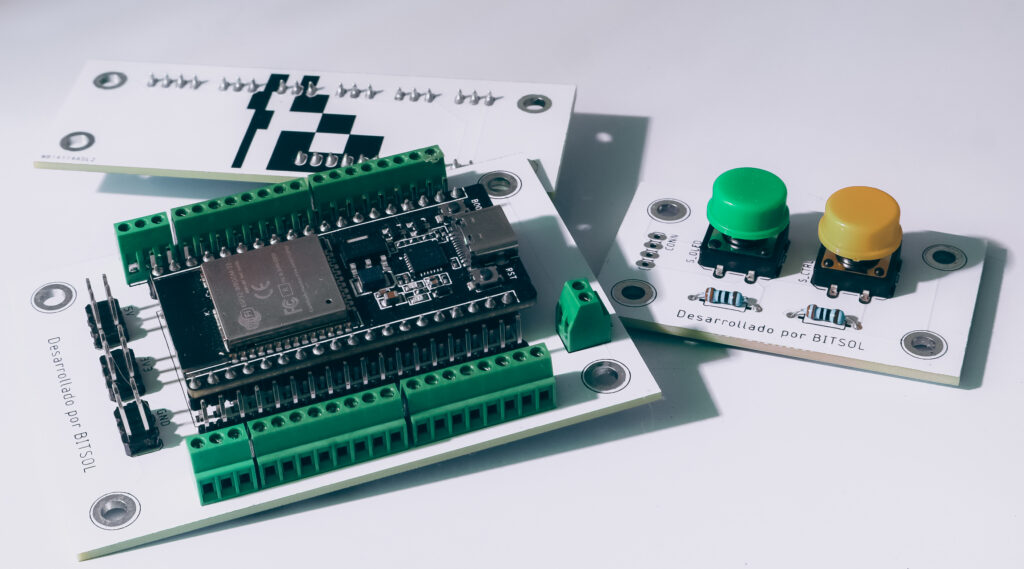
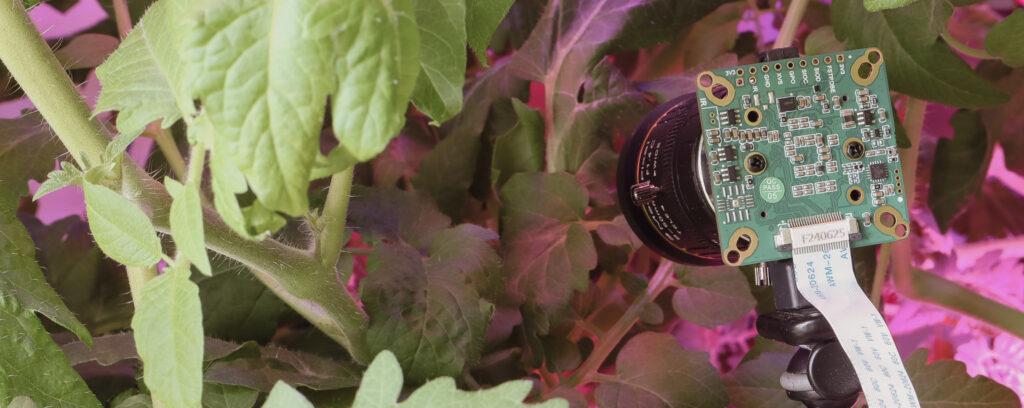
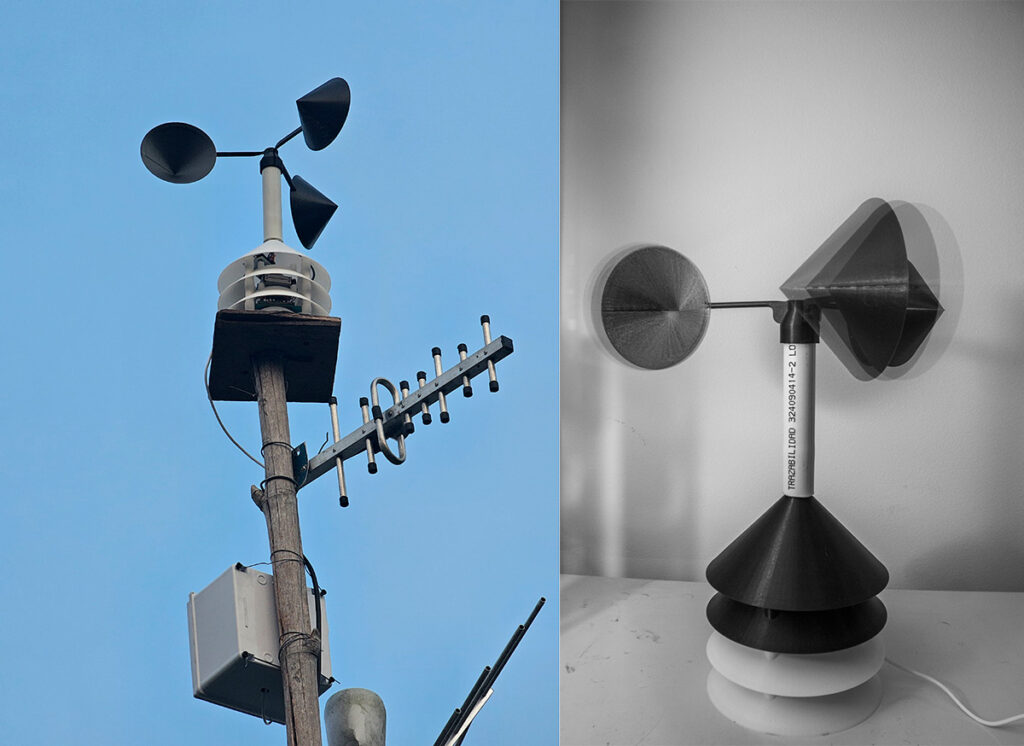
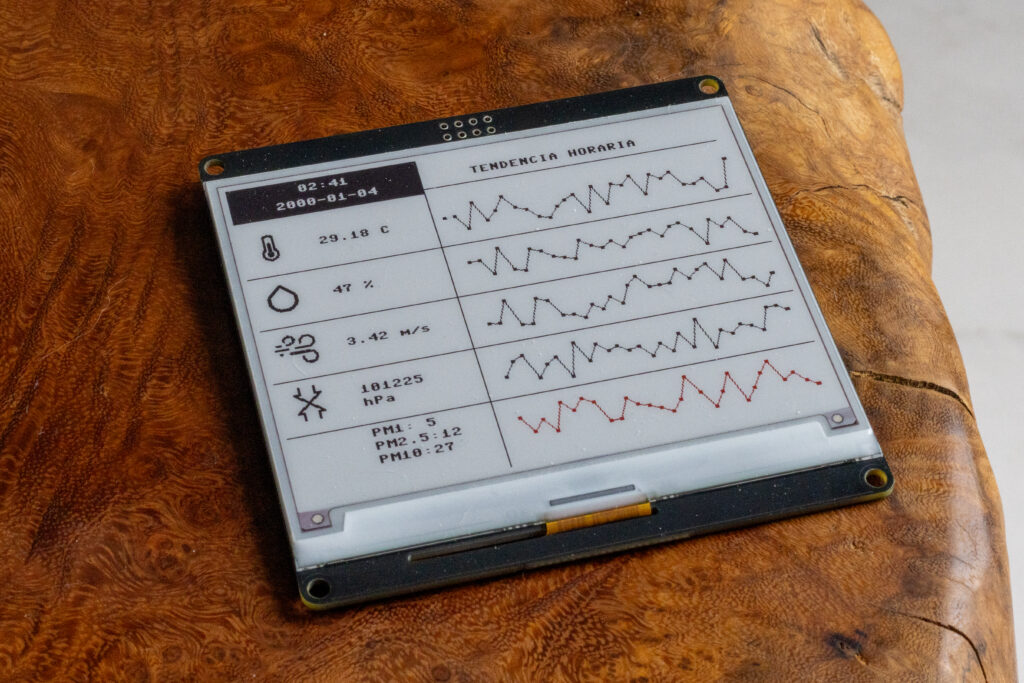
As of now, we have several operational weather station prototypes continuously collecting data. We’re using this foundation to develop an ecosystem of applications around them, transforming the stations from standalone devices into a broader platform that can scale and support widespread deployment.
In the end, our goal is to create an artistic installation that uses environmental data alongside other sources of information to reveal these connections and raise awareness among visitors.