The original goal of ArchiHUB was to create a tool that enabled multiple paths of exploration. Over time, we realized that achieving that vision required building far more than we initially imagined.
We built, experimented, and learned along the way. Today, we are finally putting online the first of many experiments that aim to tackle a fundamental question: how do we explore an archive?
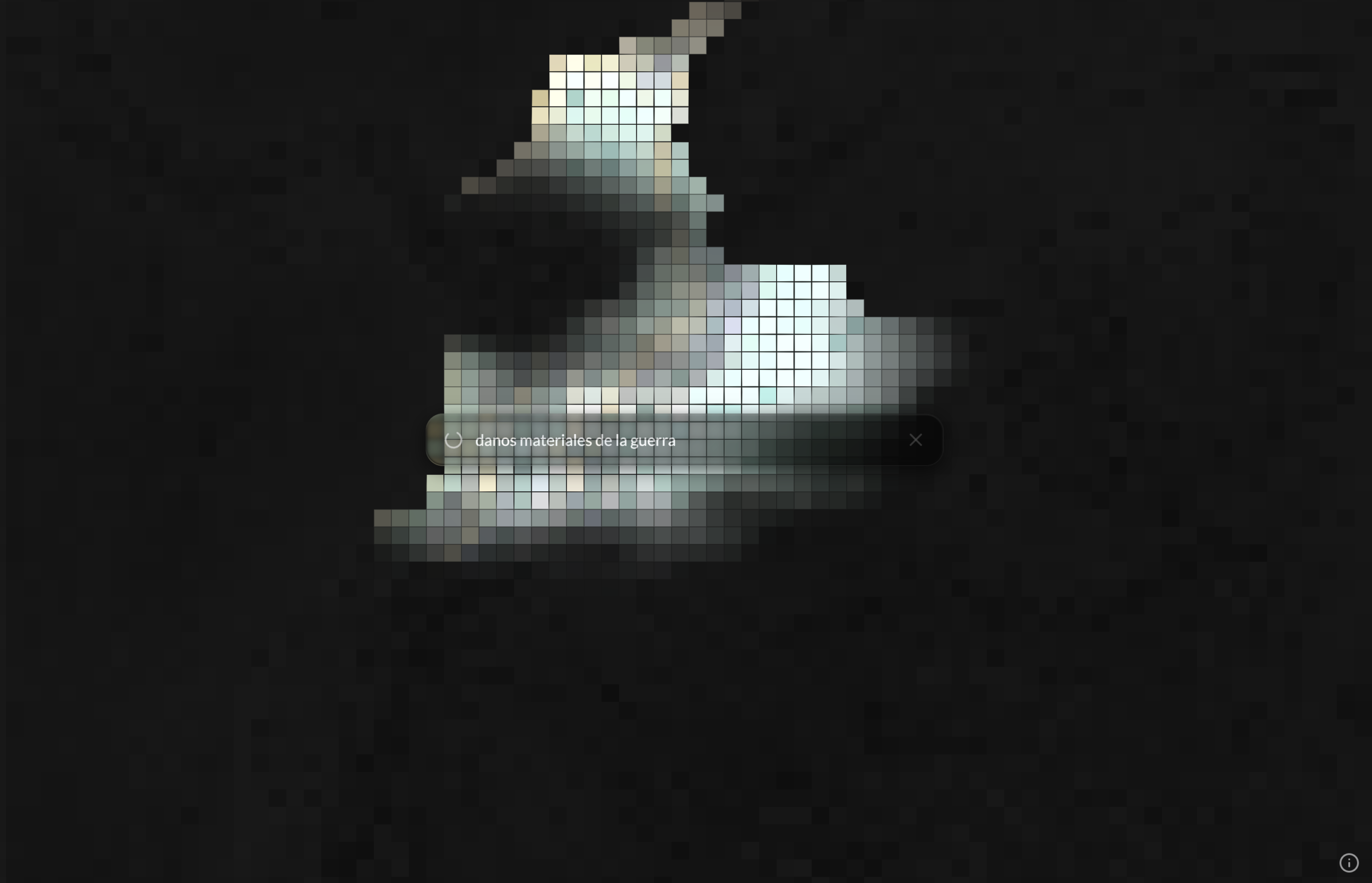
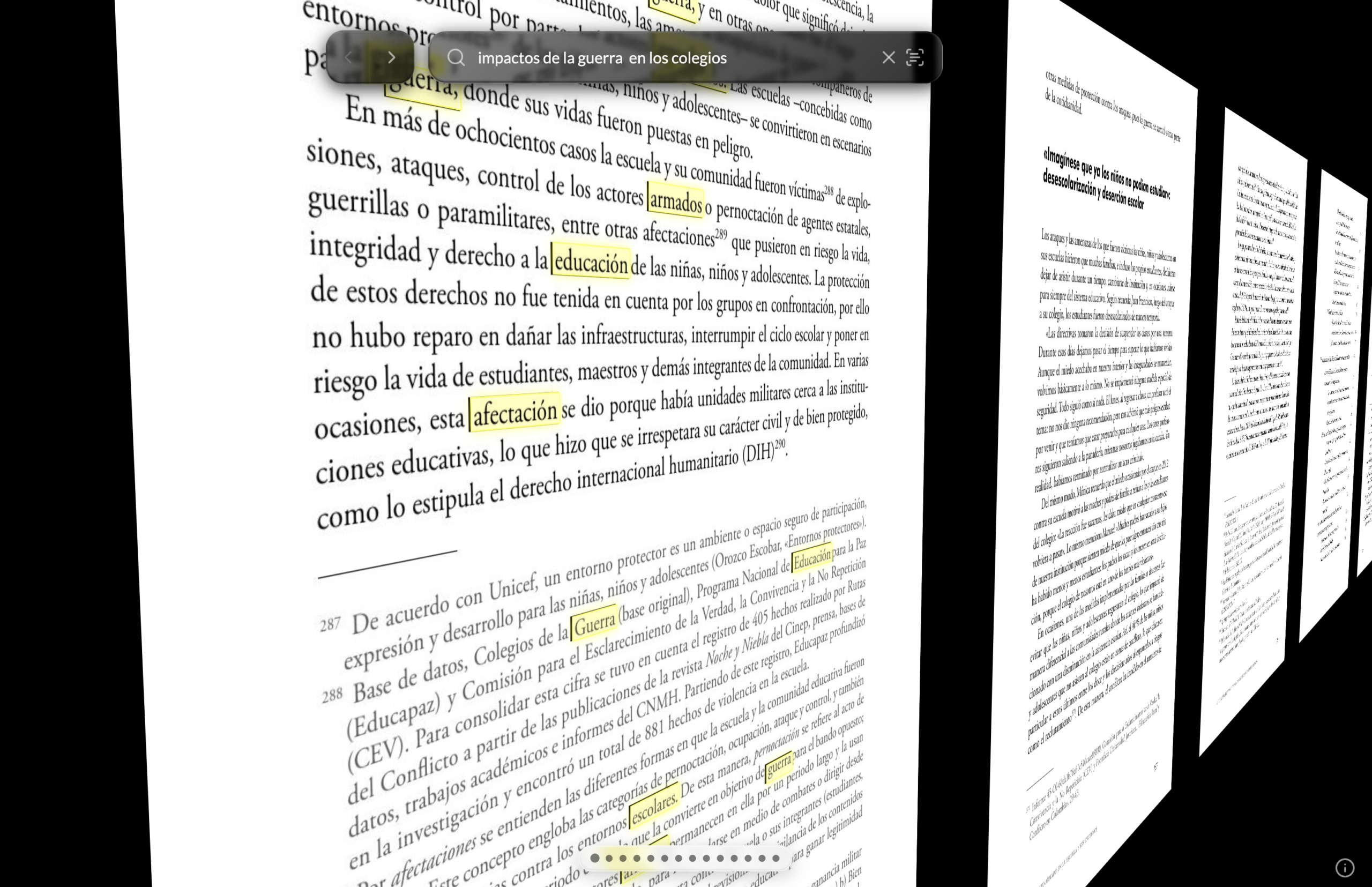
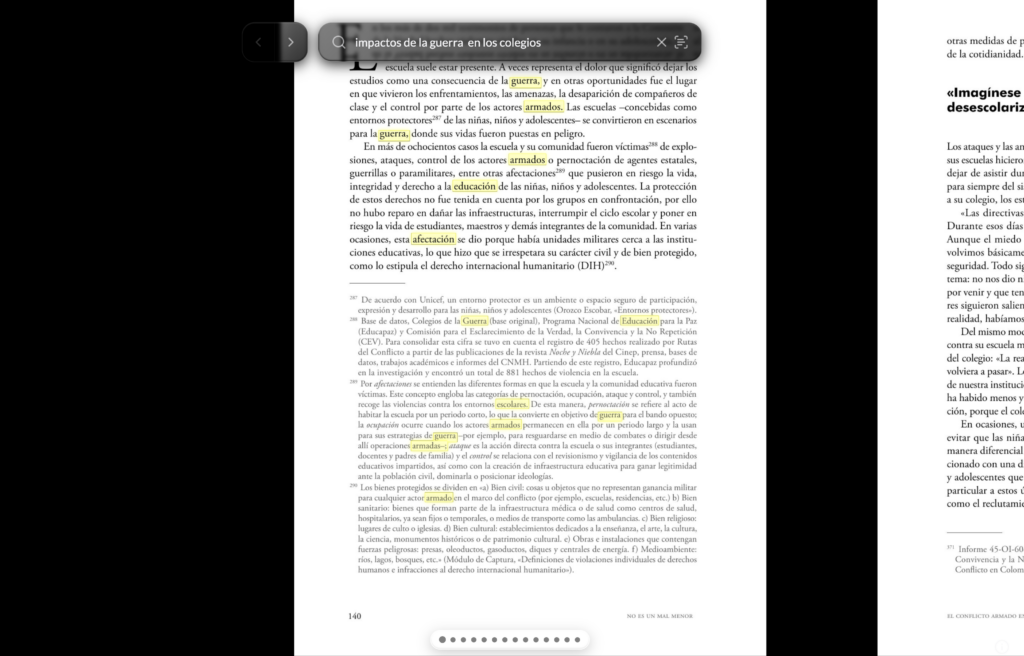
The answer will always vary from archive to archive, and that is precisely the point of ArchiHUB. In this case, we indexed the documents of the Colombian Truth Commission and designed a search agent capable of moving between different levels of abstraction. Starting from a user’s query, it searches not only for direct matches, but also for broader concepts and related themes that may help expand the scope of discovery.
In practice, the system extracts the most general concepts from a query, searches for them within the archive, and then uses the retrieved material to identify new relevant concepts, people, places, and ideas. It repeats this process iteratively, allowing exploration to emerge from the archive itself rather than from a predefined map.
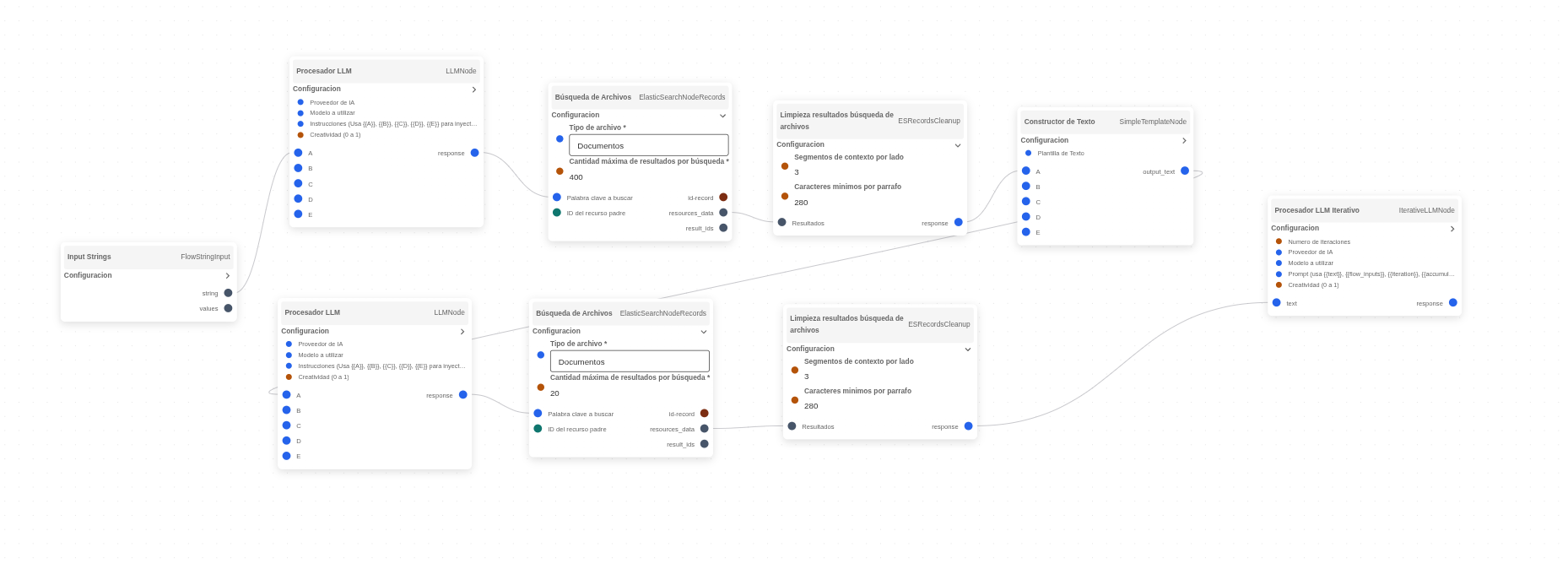
This behavior is made possible through ArchiHUB Flows, a framework that allows us to design each step of the process. Every search, transformation, and decision can be configured independently, creating exploration paths that emerge from the interaction between a user’s query and the archive itself. Rather than relying on a single prompt, the system combines multiple processes that can be adapted to the needs of each collection.
This approach is deeply rooted in the content of the collection. If the archive contains little or no information related to a topic, the system can only work with what is available. Rather than inventing answers, it attempts to surface the closest relevant material and make the limits of the archive visible. In this sense, the experiment is designed to reduce hallucinations and keep the exploration grounded in documented evidence.
A common question is whether systems like this can produce neutral or complete answers. We believe that neutrality does not emerge from an algorithm alone. It emerges from the coexistence of multiple voices, perspectives, and testimonies within a rich archive. The role of AI is not to replace that complexity, but to help people navigate it, to guide them toward relevant materials, reveal unexpected connections, and make large collections more accessible.
Ultimately, this experiment is not about finding a single answer. It is about creating new ways of asking questions and discovering what an archive has to say.