A hydroponic system looks simple from the outside: water moving through pipes, roots growing without soil, light, nutrients, and a few plants slowly changing every day.
But when we started looking at it through ArchiHUB, the system became something else: It became a source of memory.
Every change in temperature, every variation in water quality, every image of the plants, every pump cycle, and every maintenance note and upgrade can tell part of the story of how a living system behaves over time. For us, this was an opportunity to explore a new direction for ArchiHUB: not only as a platform for organizing human knowledge, documents, and digital records, but also as a way to observe and understand physical processes.
Today, we are sharing the ongoing development of our hydroponic system connected and controlled by ArchiHUB.
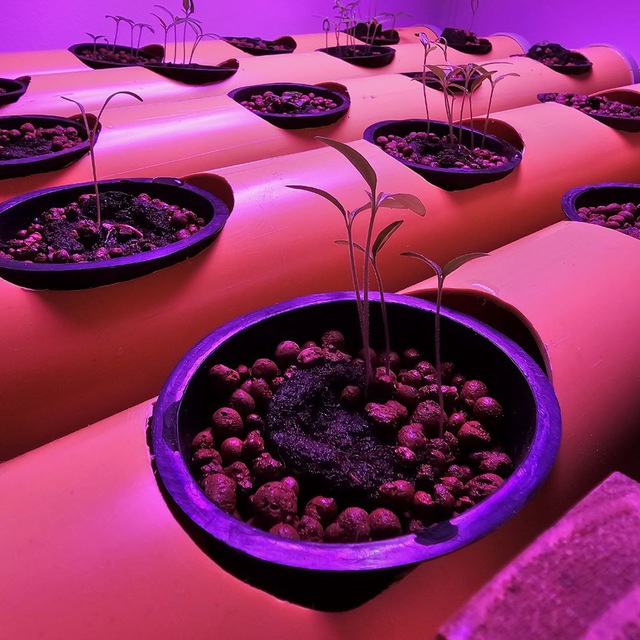
Hydroponics gives us a controlled environment where many variables can be measured directly. The water carries nutrients. The roots are visible. The light cycle can be adjusted. The system depends on flow, oxygen, pH, conductivity, temperature, and timing. In other words, it is not only a crop. It is an interface.
Our first goal is not to build a fully automated greenhouse. As with our UAV work, we are trying to build a foundation that can evolve alongside our needs. For now, the system focuses on capturing useful environmental data, organizing it inside ArchiHUB, and making those records available as part of a larger narrative about the behavior of the crop.
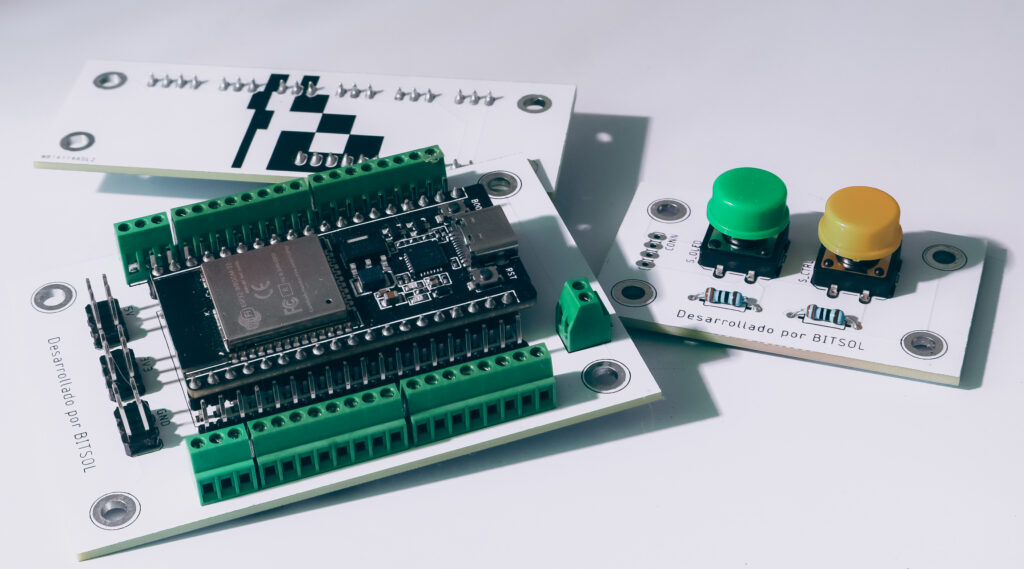
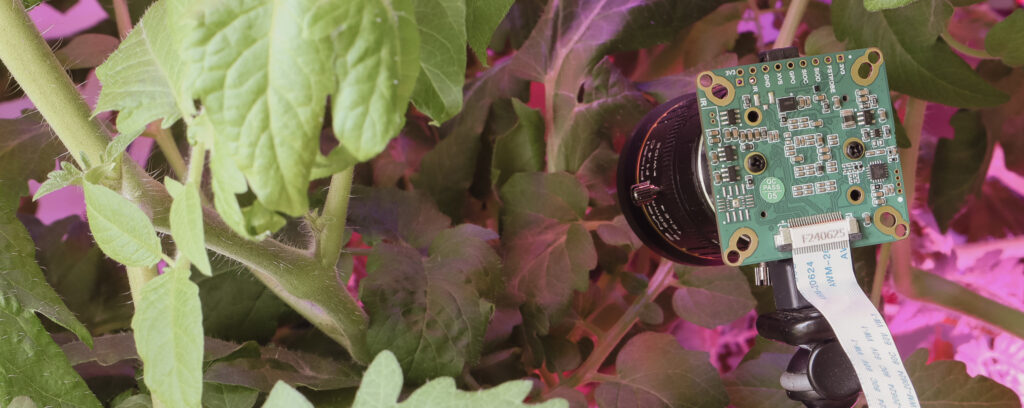
In practice, this means connecting ArchiHUB to a small set of sensors and actuators: water temperature, ambient temperature, humidity, light, pH, electrical conductivity, pump activity, and periodic image capture. Each reading becomes a record. Each image becomes visual evidence. Each change in the system becomes part of a timeline. This is where ArchiHUB becomes more than a repository.
It lets us connect technical data with context. A drop in water level is not just a number. It can be linked to a photograph, a maintenance note, a pump event, or a message sent to the team. A change in plant color is not just an observation. It can become part of a sequence that helps us understand what happened before, during, and after the issue appeared.
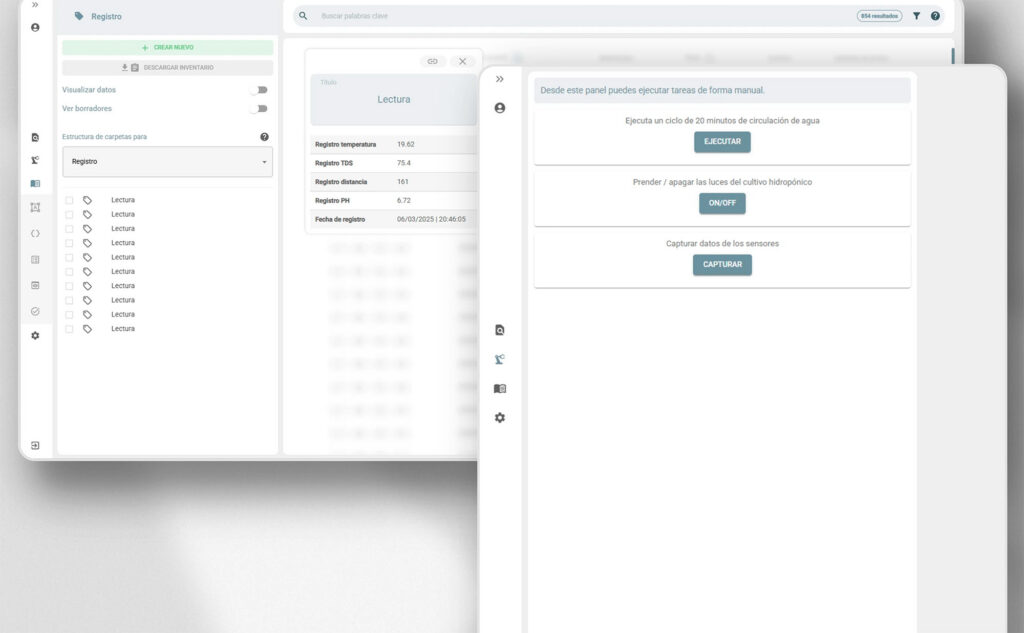
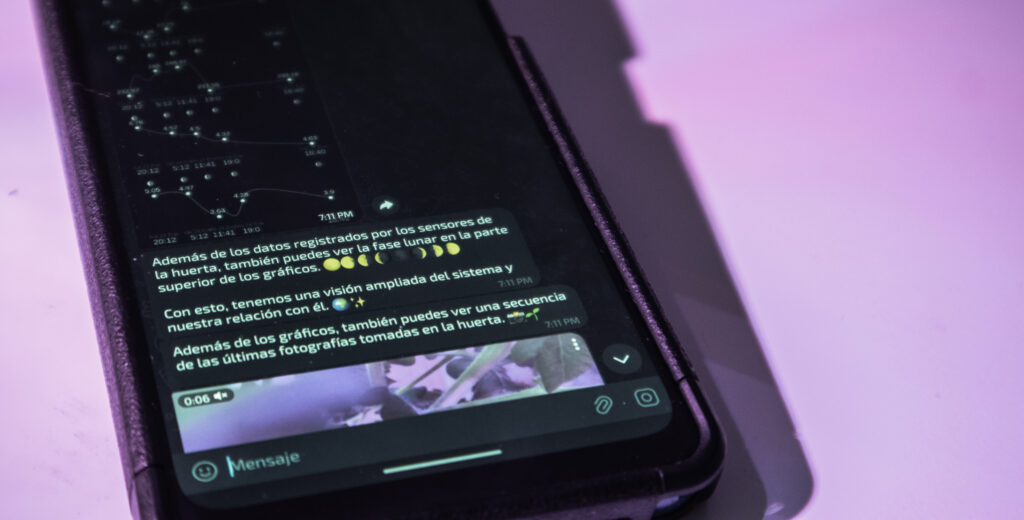
Our approach is deeply iterative. The first version is intentionally simple: a small hydroponic setup, a camera, a basic sensor module, and ArchiHUB as the place where the system stores and exposes what it sees.
From there, we can start asking better questions.
Can we detect stress before it becomes visible? Can we compare environmental changes with plant growth? Can we generate simple daily reports through messaging applications? Can a crop create its own archive?
This last question is the most interesting for us.
ArchiHUB was designed around memory, but memory does not have to be exclusively human. A hydroponic system produces traces constantly: measurements, images, alerts, failures, corrections, growth. When those traces are organized, they become a form of natural memory.
Of course, the system has already taught us some lessons. Sensors drift. Water finds unexpected paths. Calibration takes patience. Plants do not care about beautiful dashboards if the basics are wrong.
But that is precisely the point of the Lab.
We are not trying to present a finished product. We are building a small experimental bridge between ArchiHUB and the physical world, one that allows us to observe, document, and eventually act on living systems with more clarity.
As we continue, we will improve the sensor module, refine the data model, add better visualizations, and connect the system with the reporting tools we are already testing inside ArchiHUB.